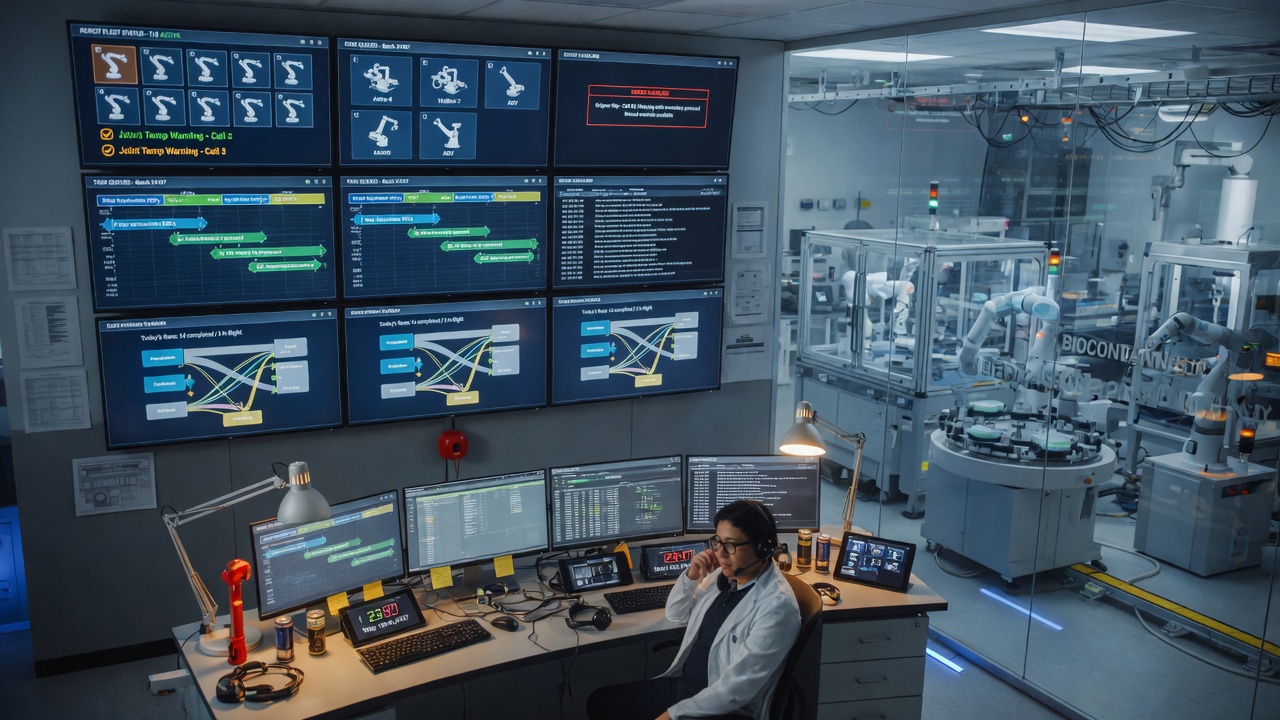
Laboratory Intelligence

AI that connects your
automation ecosystem.

Mindstone AI sits on top of your orchestration layer — Cellario, Biosero, Hamilton workcells, automated freezers, and LIMS — turning operational data into predictive intelligence and prescriptive optimization for regulated laboratories.

45%
Utilization uplift
70%
Downtime reduction
85%
Forecast accuracy
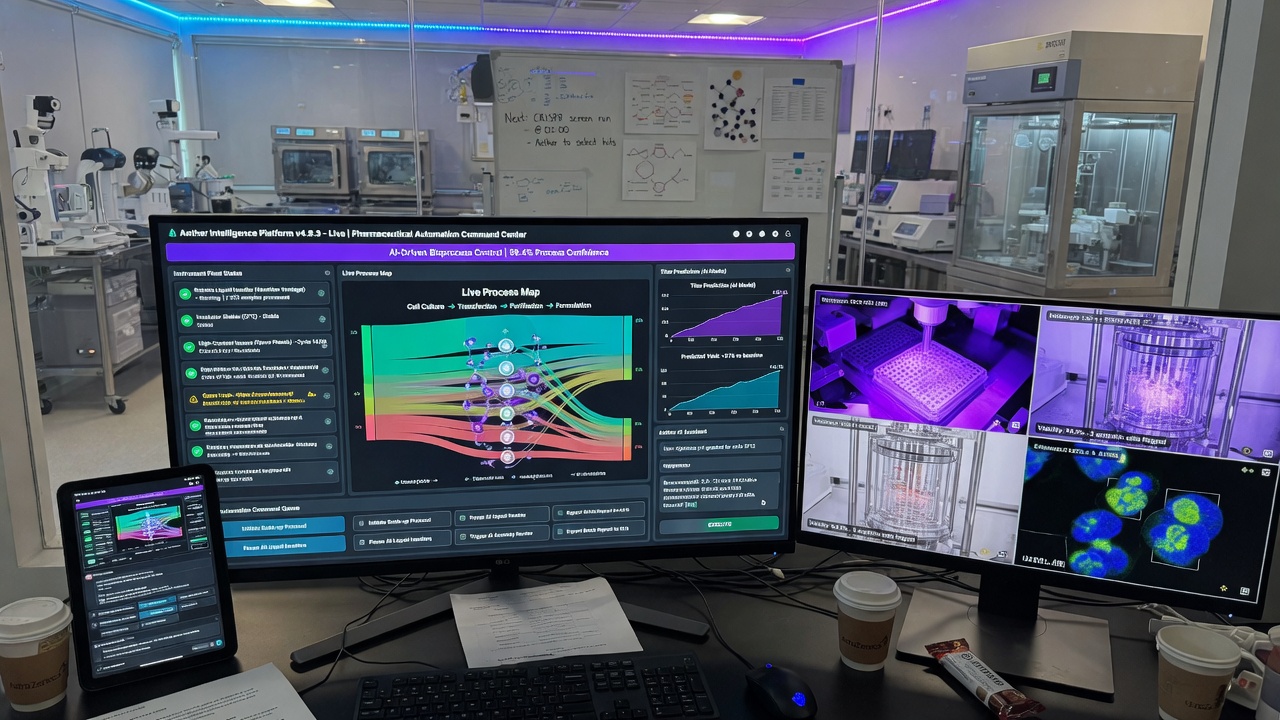
AI laboratory analytics platform

Five services. One orchestrated intelligence layer.

Each service integrates with your existing automation deployment — not a standalone data science project. Select a card below or scroll to detailed walkthroughs with photography and use-case context.

Intelligence belongs on the orchestration layer — not in a silo.

Most laboratories already generate the data AI needs: instrument run logs, freezer retrieval events, LIMS transactions, orchestration queue states, and barcode scan histories. The gap is not data volume — it is connecting those streams into models that operations, QA, and automation teams can act on within validated boundaries.

Mindstone AI deploys alongside your Cellario, Biosero, or custom orchestration stack. Models consume the same telemetry your automation engineers already trust, and outputs feed back into scheduling, maintenance planning, and capacity dashboards — documented under GAMP 5 where required.

  • No parallel shadow IT — integrates with existing informatics
  • Phased rollout aligned to our seven-phase automation lifecycle
  • Biocentre and Cellario deployment experience informs model design
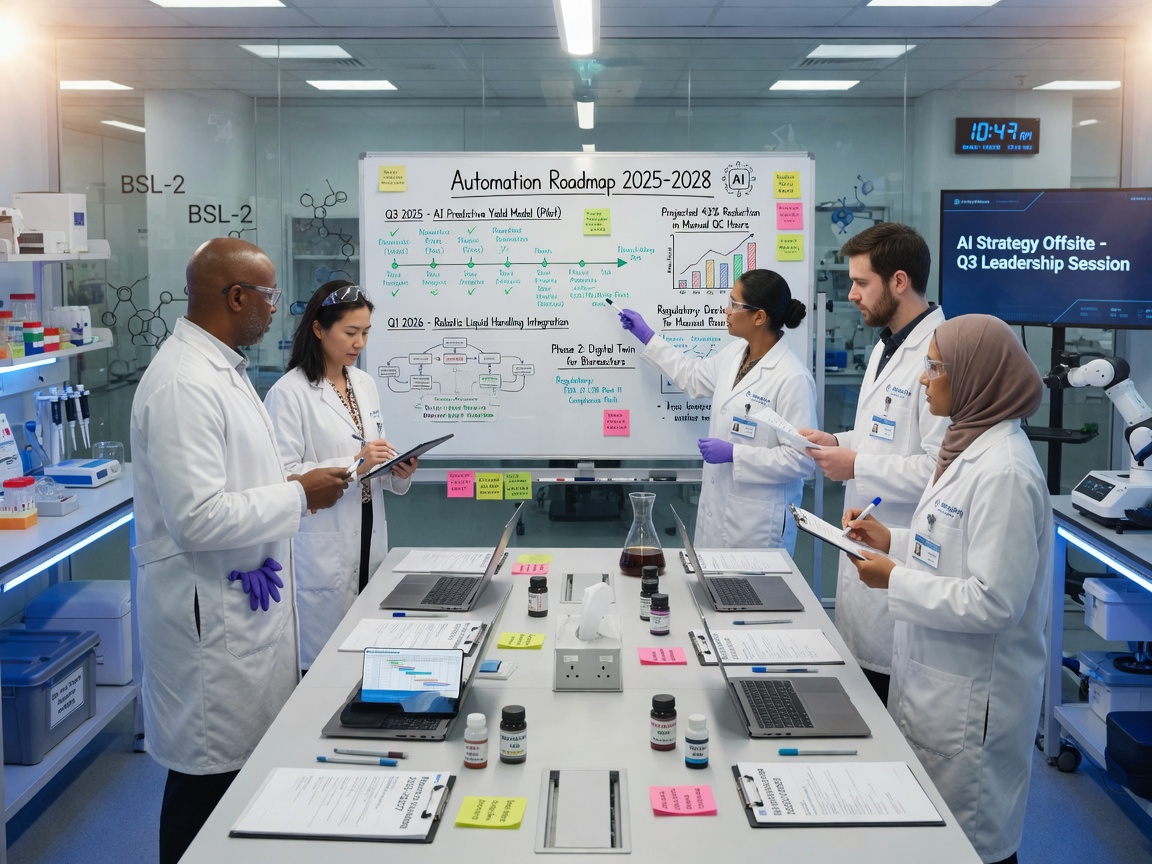
Laboratory AI strategy and planning session

Each service, explained.

Five capabilities that map directly to how automated laboratories run — from biobank retrieval through workcell scheduling to GxP-validated model deployment.

SERVICE 01

Predictive Analytics

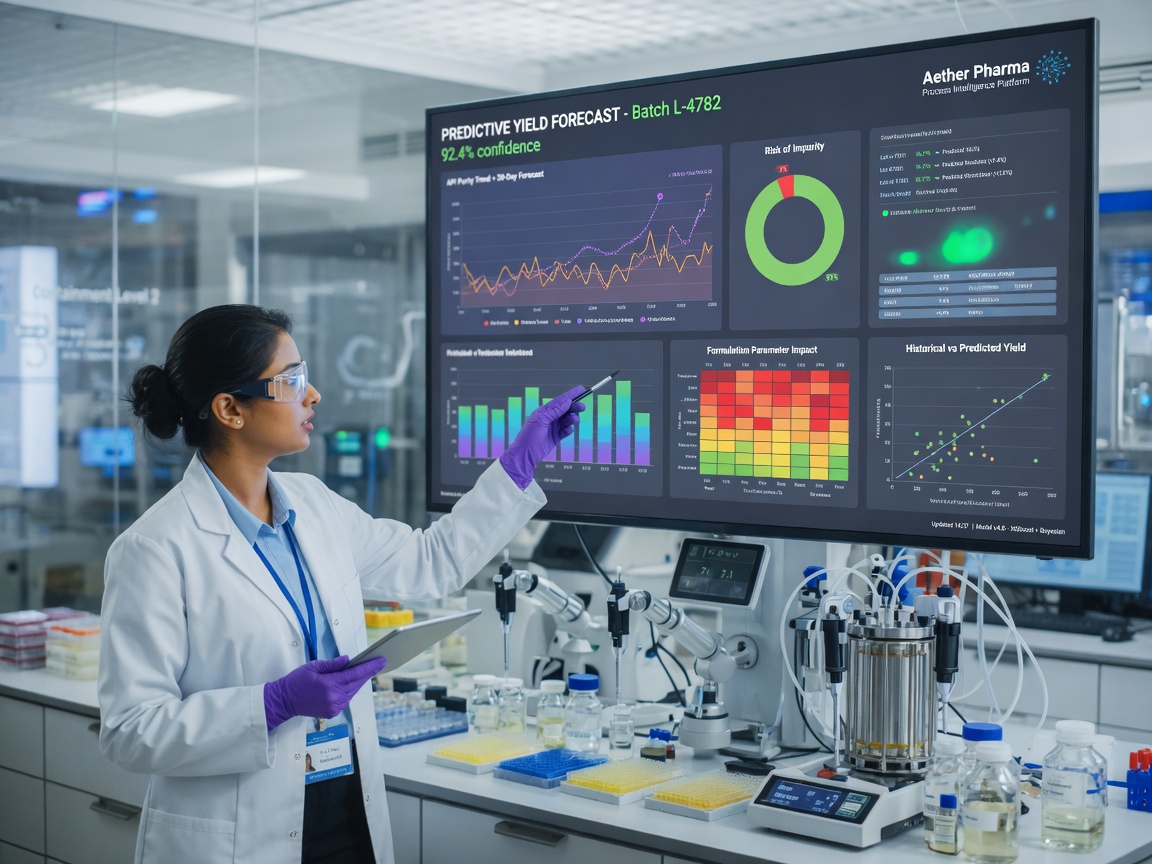
Machine learning models trained on orchestration history, LIMS demand signals, and instrument telemetry forecast what your lab will face before it happens — sample volume spikes, queue saturation, freezer access contention, and equipment degradation patterns.

Operations teams receive 7–30 day lookahead dashboards. QA sees documented model performance against acceptance criteria. Automation engineers get bottleneck alerts tied to specific workcells, not generic capacity warnings.

Throughput Forecasting Bottleneck Detection Anomaly Alerts LIMS Integration
Full service details
Predictive analytics dashboard for laboratory throughput and bottlenecks
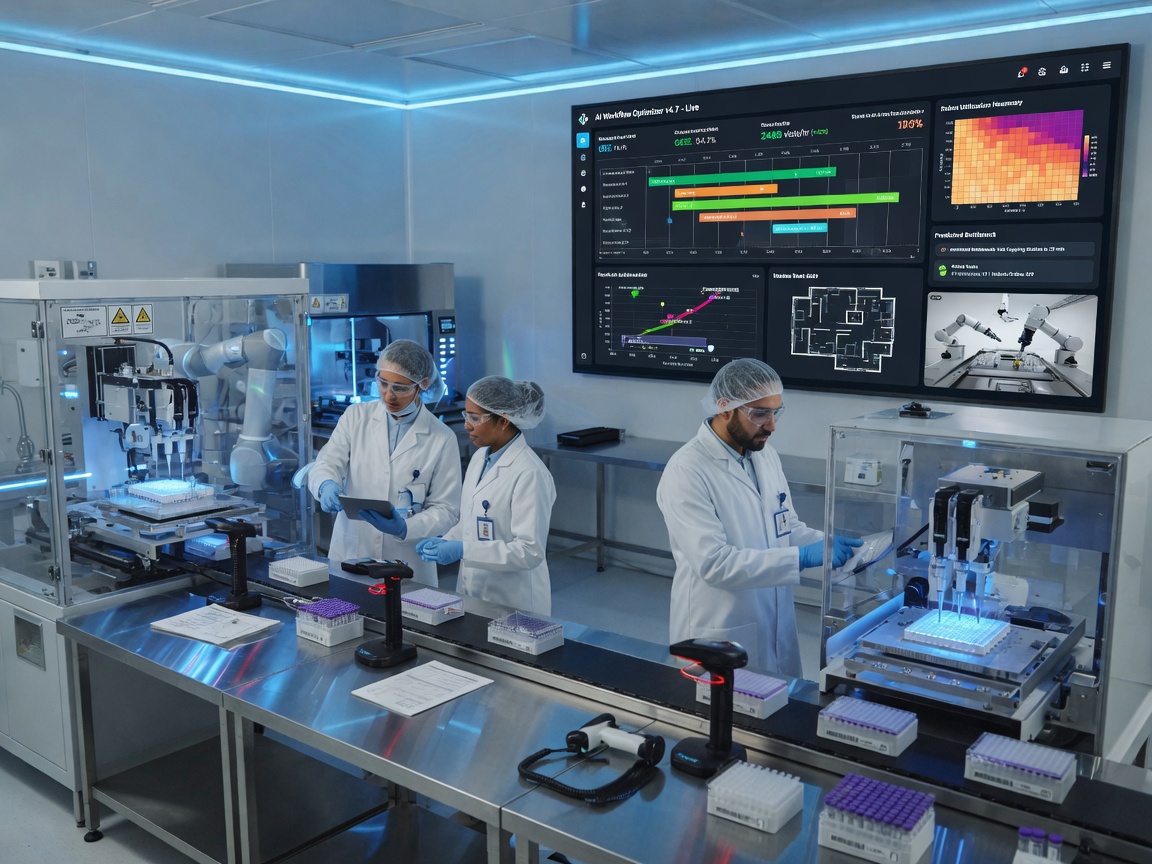
AI workflow optimization and laboratory process engineering
SERVICE 02

Workflow Optimization

Constraint-based and reinforcement-learning schedulers continuously rebalance worklists across Hamilton and Tecan workcells, automated freezer retrieval windows, aliquoting capacity, and scientist handoffs — responding within minutes when priorities change.

Typical deployments see 30–45% improvement in instrument utilization without adding capital equipment. Freezer pre-staging reduces retrieval wait times. Multi-site labs coordinate queues across repositories and assay workcells from a single optimization layer.

Dynamic Scheduling Resource Balancing Freezer Pre-Staging Cellario / Biosero
Full service details
SERVICE 03

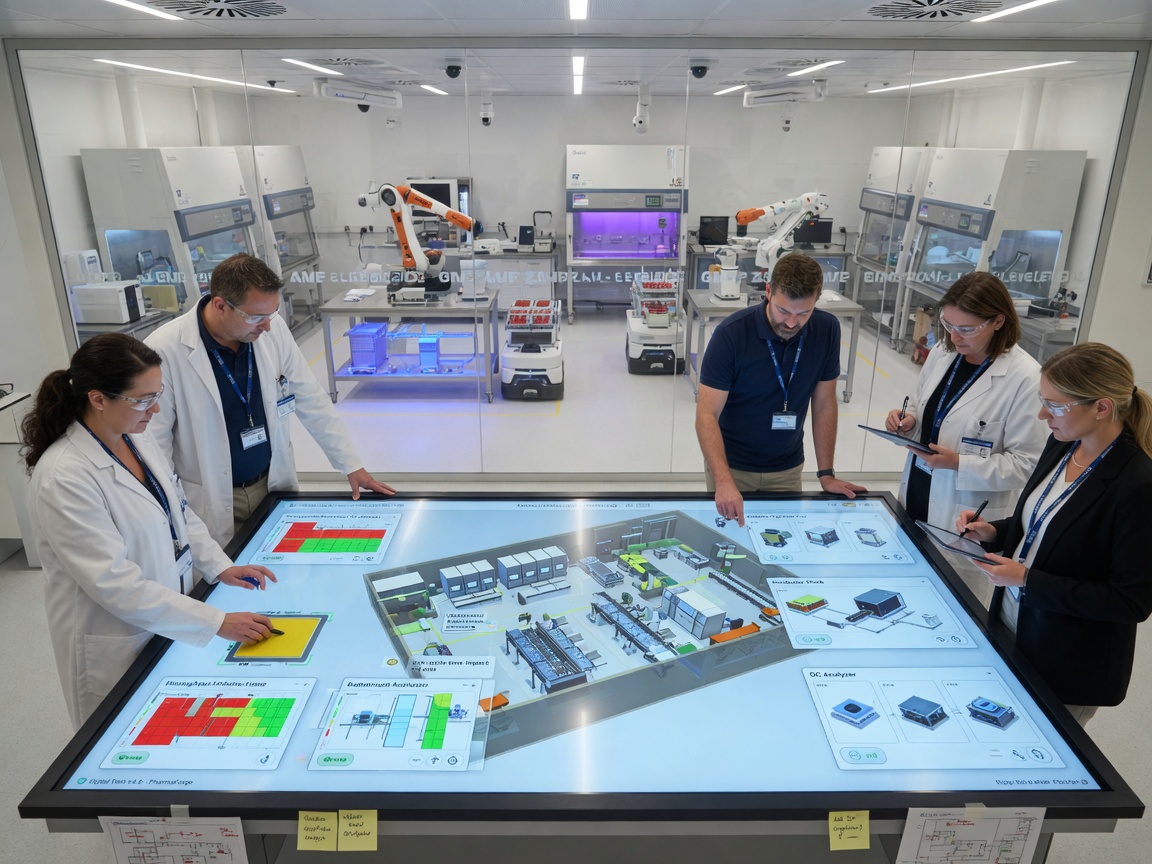
Digital Twins

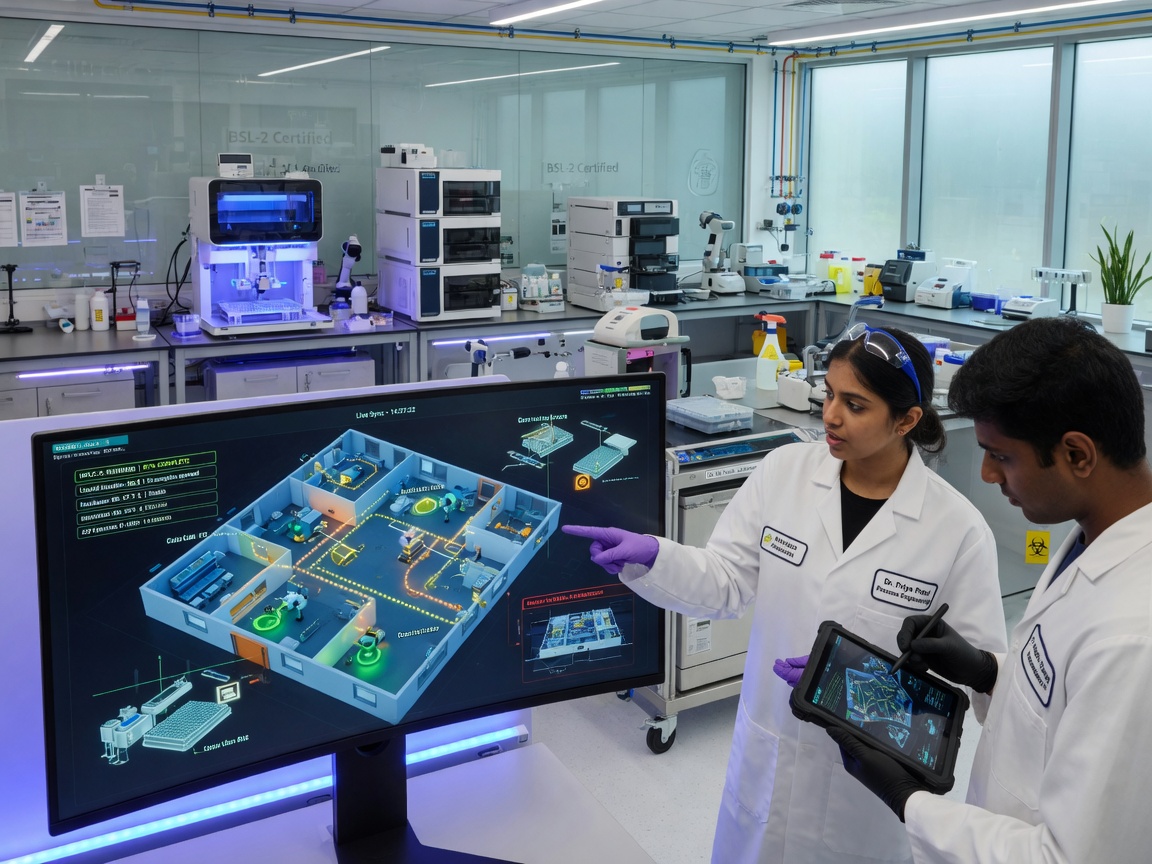
Virtual replicas of your laboratory — physical layout, instrument fleet, storage systems, and orchestration rules — let you test configuration changes, capacity expansions, and new assay introductions without touching live GxP operations.

Digital twins are especially valuable during pilot automation and multi-site rollouts. Stakeholders see throughput impact before capital commitment. QA reviews change-control scenarios side-by-side with production baselines. Models stay calibrated as live orchestration telemetry flows in.

Layout Simulation Scenario Testing Change Control Capacity Planning
Full service details
Digital twin laboratory simulation and orchestration dashboard
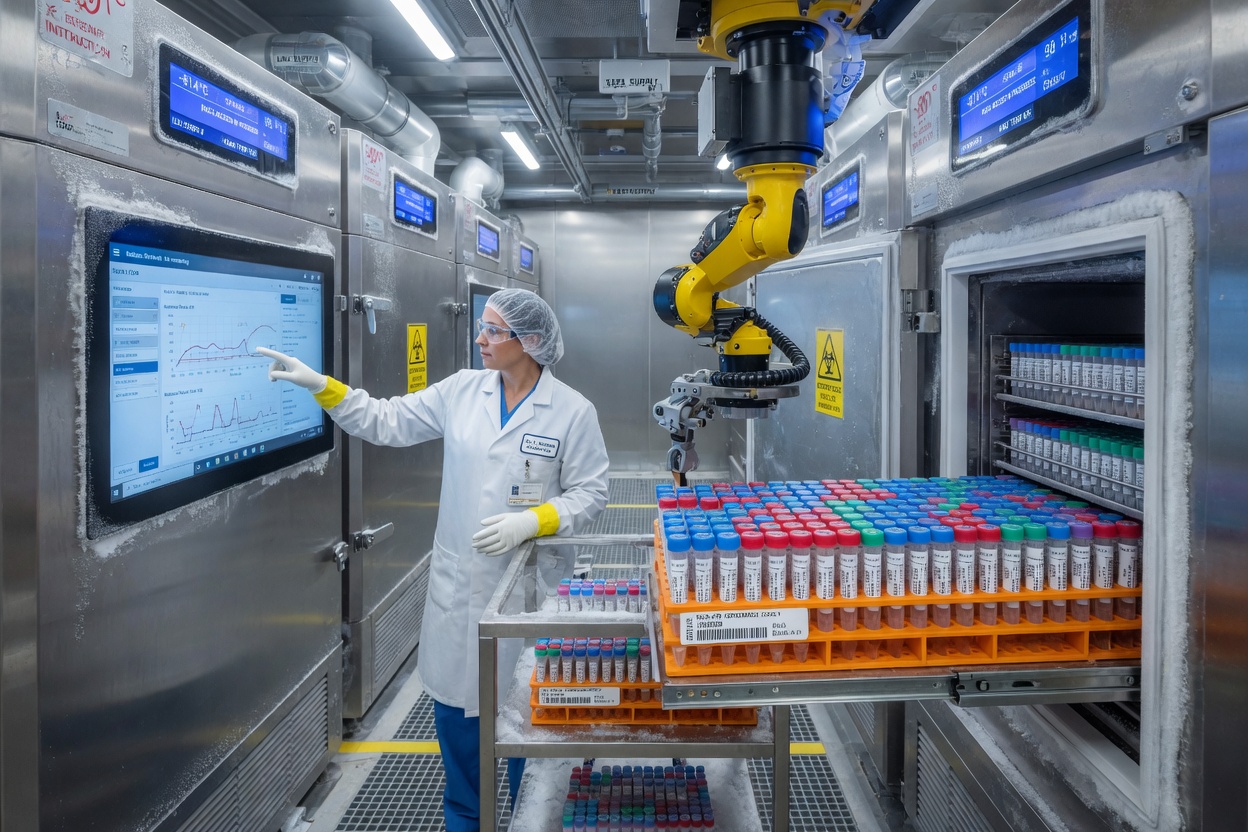
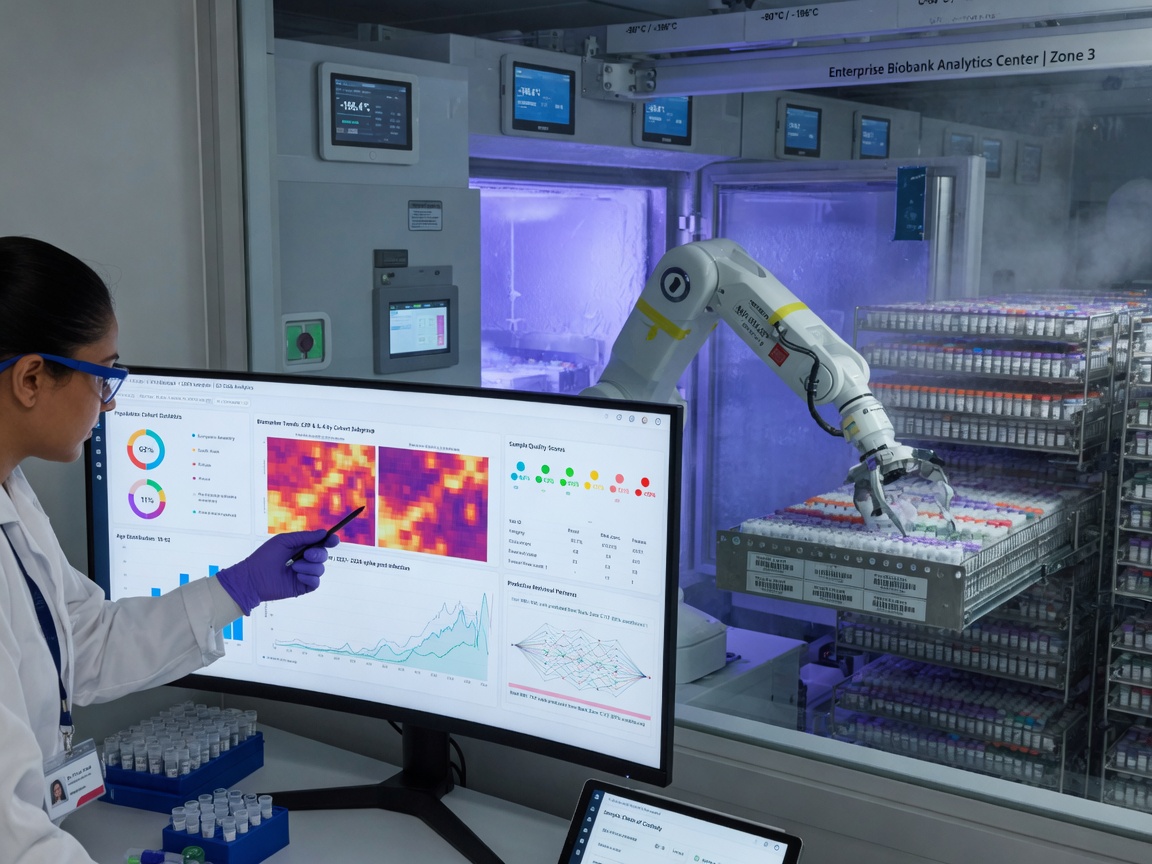
Automated biobank freezer system with AI sample analytics
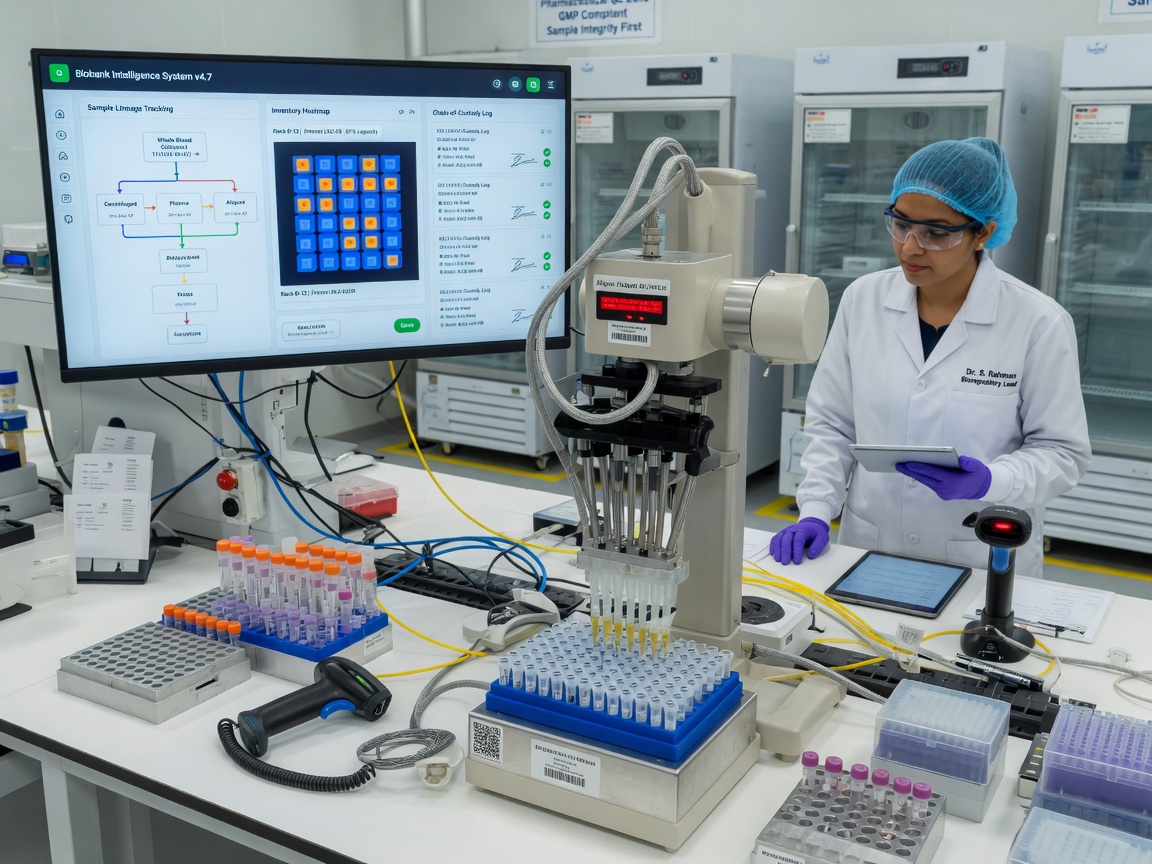
Sample processing connected to biobank intelligence
SERVICE 04

Sample Intelligence

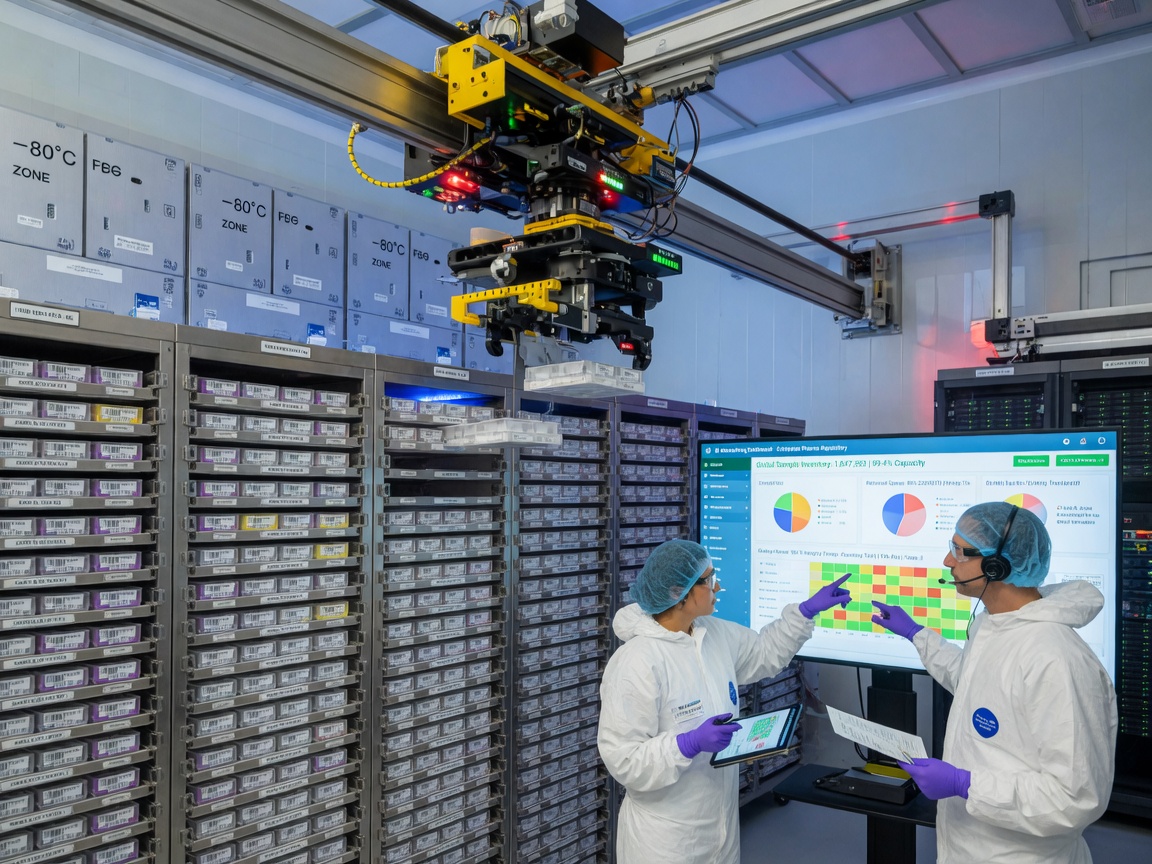
AI analytics across automated freezer systems, compound repositories, and clinical sample banks — tracking retrieval frequency, storage density, sample aging, dormant cohorts, and chain-of-custody risk across -20°C, -80°C, and LN2 environments.

Pre-staging recommendations reduce cold-chain exposure during peak campaigns. Integrity monitoring flags barcode mismatches and temperature excursion patterns before they become audit findings. Multi-site repository views give operations leadership a single pane for global sample assets.

Repository Analytics Retrieval Heatmaps Chain of Custody Cold Chain
Full service details
SERVICE 05

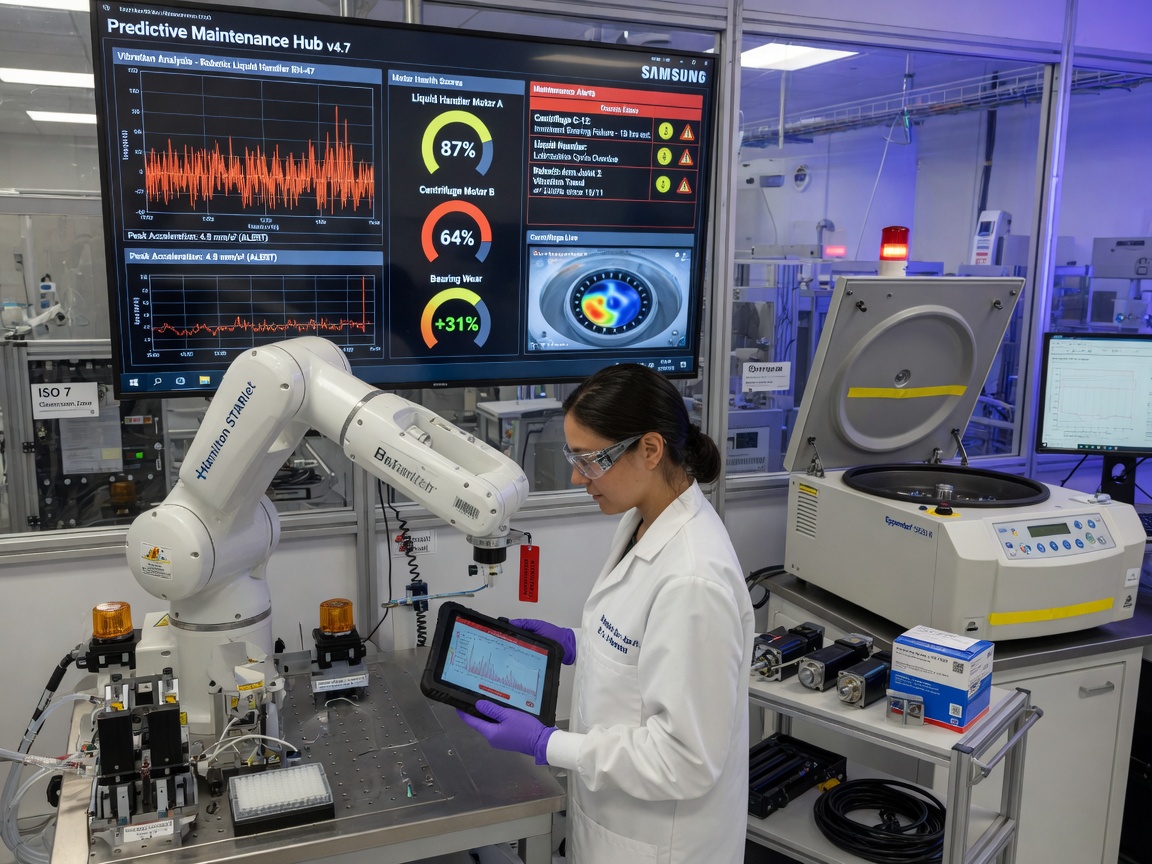
Predictive Maintenance

Continuous health monitoring on Hamilton, Tecan, Beckman, and auxiliary automation equipment — analyzing vibration signatures, cycle counts, error code frequency, and consumable wear to predict failures 14–30 days before unplanned downtime.

Maintenance windows align with low-throughput periods identified by predictive analytics. Service schedules are GxP-documented. Orchestration layers receive hold recommendations before cascading failures block entire workcell queues.

Failure Prediction Service Scheduling Telemetry Integration Downtime Reduction
Full service details
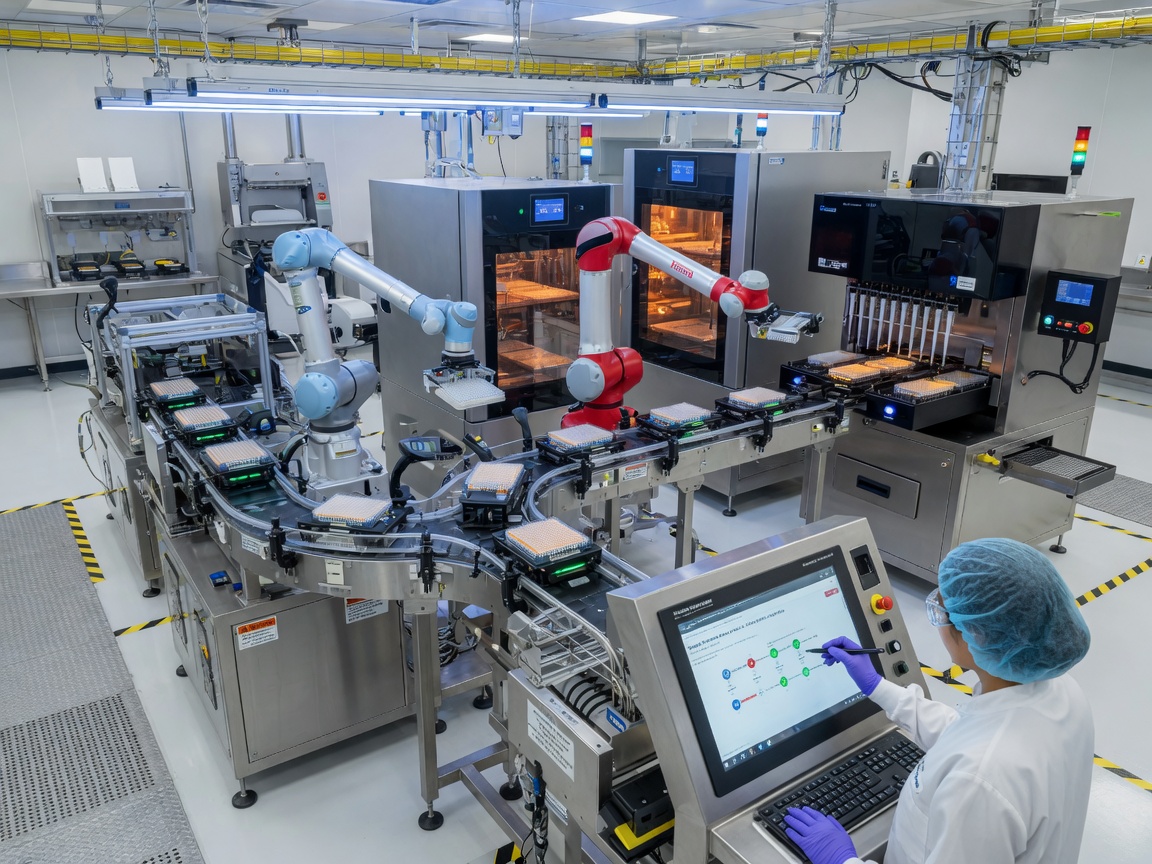
Robotic laboratory equipment monitored by predictive maintenance AI

Where laboratories deploy AI first.

High-impact starting points we see across pharma R&D, biobanking, clinical operations, and multi-site CDMO environments.

Biobanking AI use case
BIOBANKING

Production sample repositories

Optimize retrieval paths across automated freezer farms, predict campaign-driven demand spikes, and flag dormant samples before storage costs compound.

Cell and gene therapy AI use case
CELL & GENE THERAPY

Vein-to-vein orchestration

Forecast patient sample arrival, balance cryogenic storage access, and schedule time-critical processing windows across distributed manufacturing nodes.

Microbiology automation AI use case
MICROBIOLOGY

Culture automation intelligence

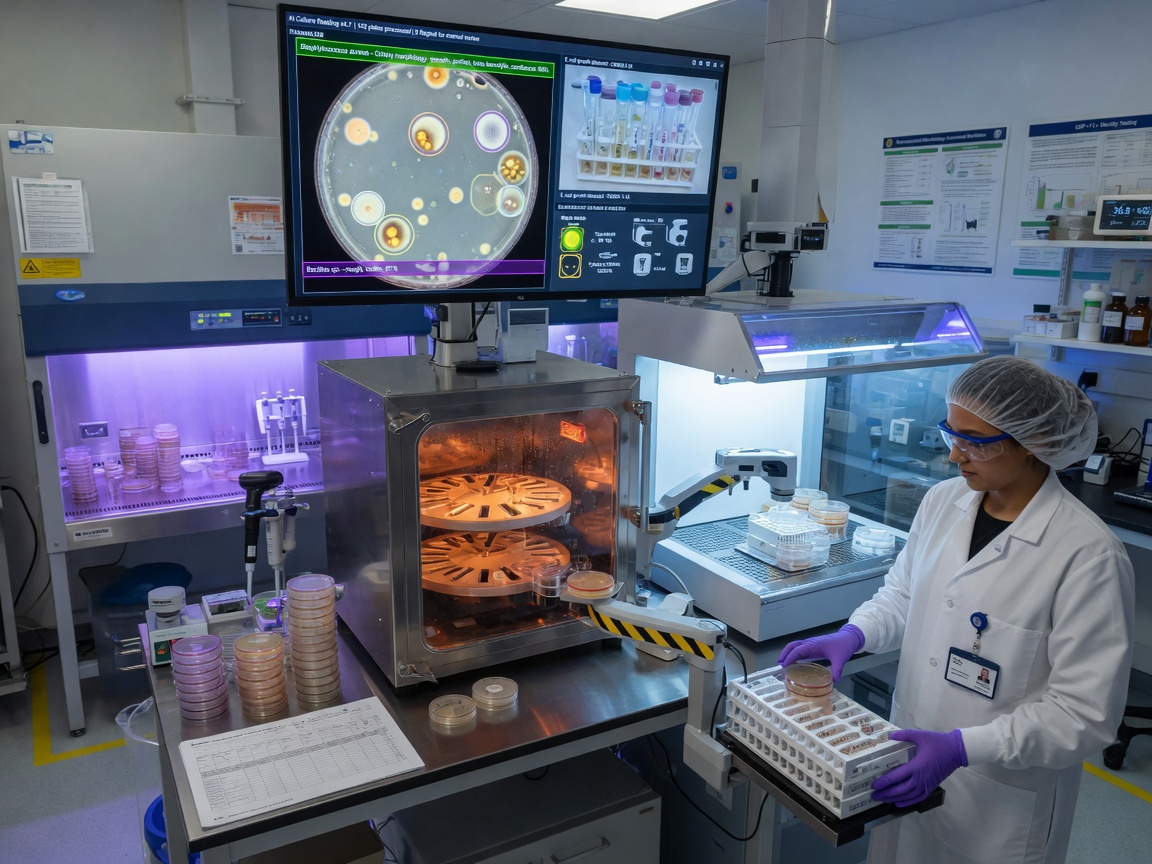
AI-assisted plate reading interpretation, incubation scheduling optimization, and throughput forecasting for BD Kiestra-style automated culture workflows.

GxP validation and compliance for AI laboratory systems

AI under GxP — not despite it.

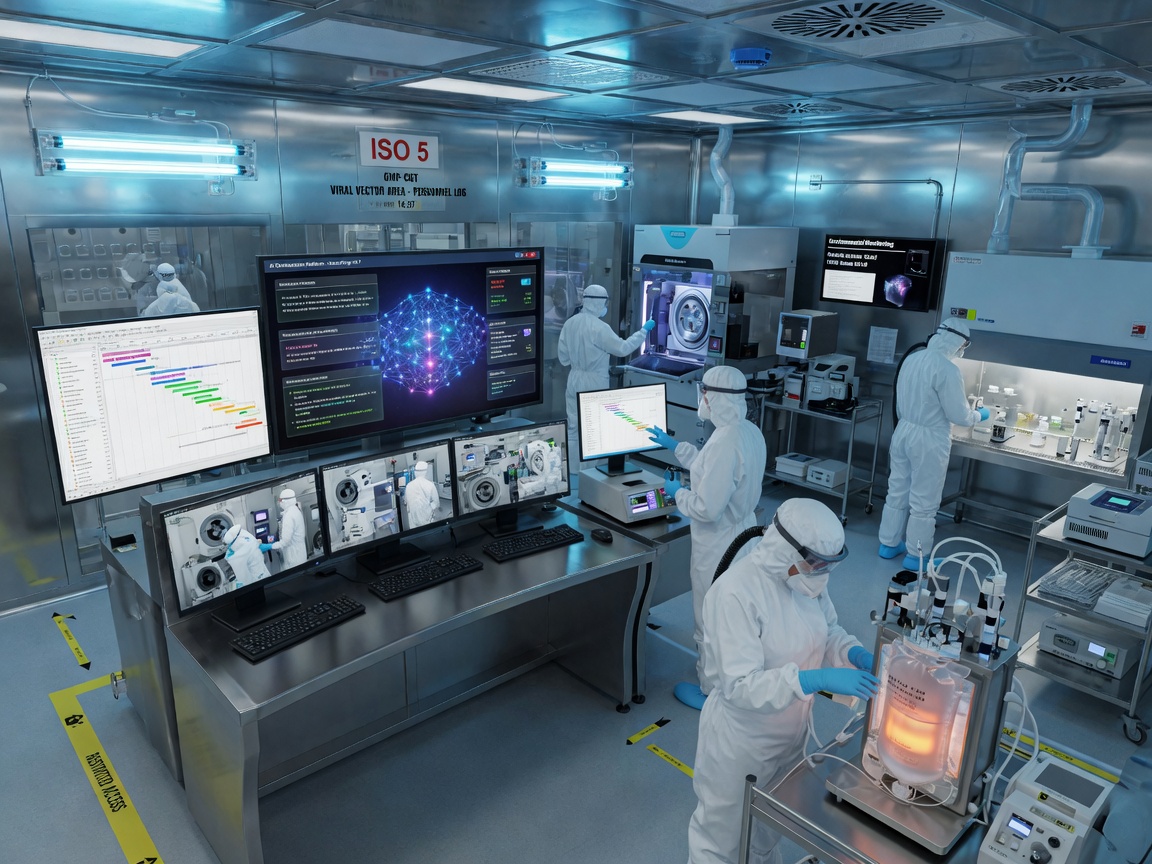
Every model deployment follows the same validation discipline as your automation systems: user requirements specifications, risk assessments, IQ/OQ/PQ evidence, and ongoing change control. AI outputs that influence regulated decisions are traceable, auditable, and version-controlled.

We align to GAMP 5 Category 4/5 software, 21 CFR Part 11 electronic records, and Annex 11 computerized systems requirements — so your quality team signs off with the same confidence they bring to LIMS and orchestration validation.

GAMP 5 21 CFR Part 11 Annex 11 ALCOA+ Model Validation

From data foundation to autonomous operations.

Progressive AI adoption aligned with your automation lifecycle — the same seven-phase methodology on our Approach page, extended with continuous intelligence in Phase 07.

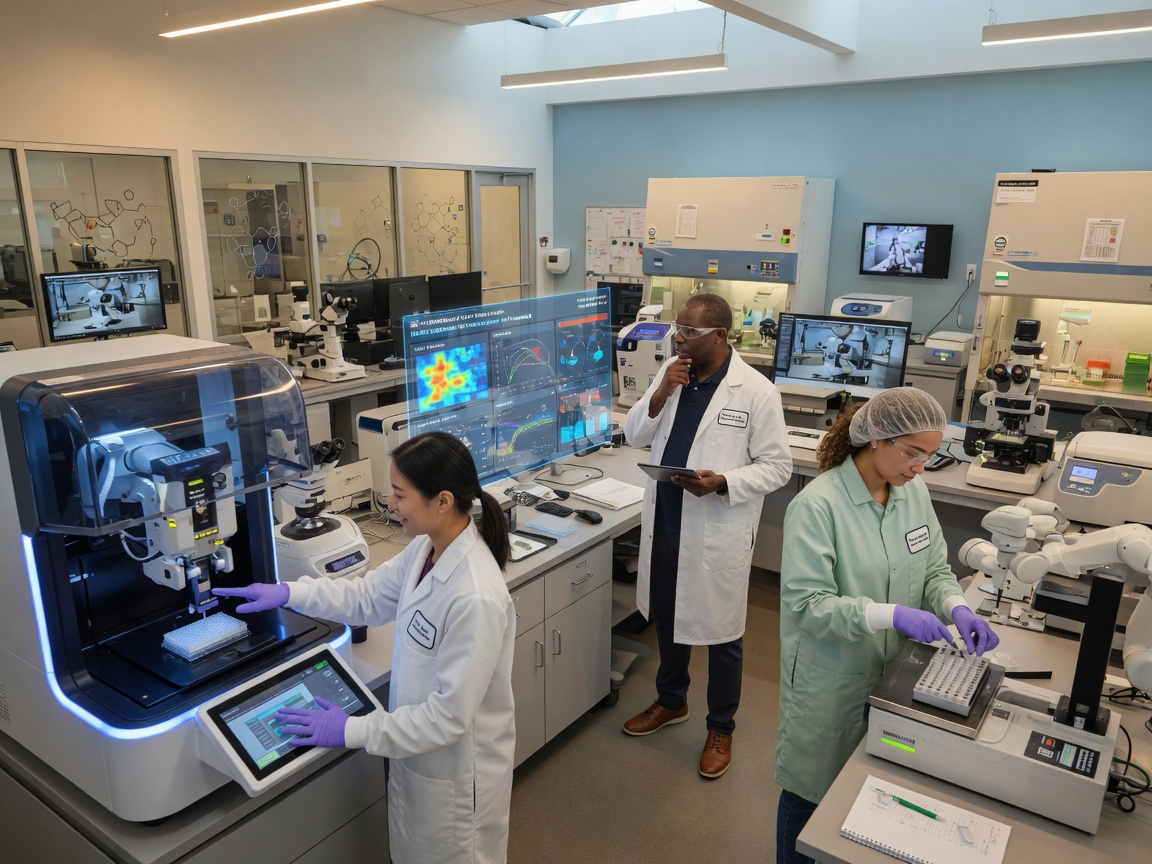
Scientists working with laboratory automation and AI systems
LEVEL 01

Data Foundation

Instrument, LIMS, ELN, and orchestration data unified with ALCOA+ integrity and real-time capture.

  • Instrument connectivity audit
  • Data standardization & lineage
LEVEL 02

Predictive Intelligence

Throughput forecasting, anomaly detection, and predictive maintenance on automation telemetry.

  • 7–30 day demand forecasts
  • Equipment health scoring
LEVEL 03

Prescriptive Optimization

Dynamic scheduling, resource balancing, and workflow routing across the full lab ecosystem.

  • Real-time schedule rebalancing
  • Multi-site coordination
LEVEL 04

Autonomous Operations

Digital twin validation, self-optimizing workflows, and closed-loop continuous improvement.

  • Closed-loop optimization
  • Simulation-driven change control

Connects to what you already run.

AI models consume data from your orchestration and informatics stack — we deploy within GxP boundaries, not as a parallel shadow system.

Bidirectional connectors pull run states, queue depths, error logs, and sample lineage from production systems. Insights return as scheduling recommendations, maintenance tickets, LIMS hold flags, or dashboard alerts — always within the access controls your IT and quality teams define.

  • Automation: Hamilton, Tecan, Beckman, Biosero, Cellario, Agilent, PerkinElmer, automated freezer systems
  • Informatics: LabVantage, STARLIMS, Benchling, LabWare — bidirectional LIMS/ELN integration
  • Infrastructure: Azure ML, AWS SageMaker, Databricks, Snowflake — on-prem or hybrid deployment
  • Compliance: GAMP 5, 21 CFR Part 11, Annex 11 validated AI deployments
View lab automation solutions
LIMS and business intelligence dashboard integrated with AI
Laboratory automation integration
Orchestration dashboard

Start with clarity, not a sales deck.

Our AI readiness assessment maps your automation stack and identifies where intelligence delivers measurable ROI first.

Request Free Assessment